Finding Elite Performance in Men's Running Shoes
Find men’s running shoes for every kind of run, from cushioned daily trainers to lightweight shoes for race day. This guide covers the main midsole foams, how fit and heel-to-toe drop affect your stride, and when a stability shoe makes sense, so you can pick the right pair for your pace, surface and goals.
Decoding Midsoles for Men's Running shoes
The midsole does most of the work in a running shoe. It absorbs impact, returns energy and shapes how the shoe feels from landing to push-off. Each brand uses its own foams, so knowing the basics makes it easier to compare shoes across brands.
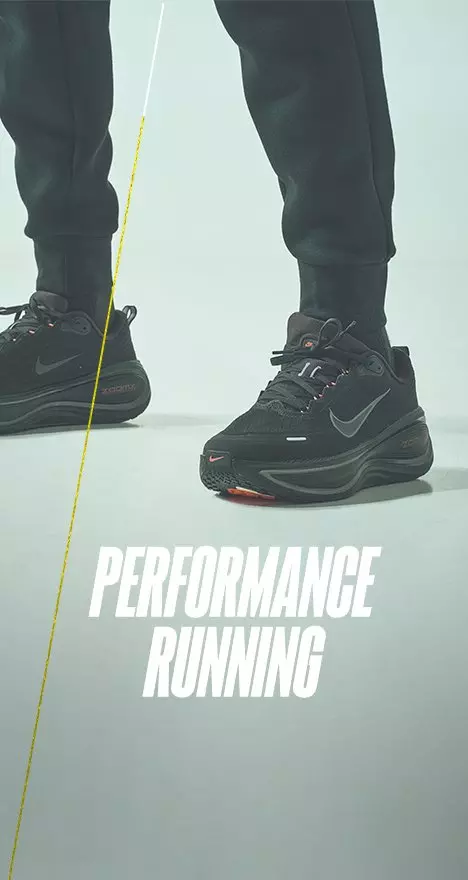
Nike: ZoomX and ReactX
- Nike ZoomX pairs Zoom Air with soft Cushlon foam for a cushioned, retro-inspired ride that works for easy miles and everyday wea
- ReactX foam is built for durability, with a smooth, responsive feel that holds up over high mileage.
- Nike Pegasus is Nike’s go-to daily trainer, with balanced cushioning for everything from easy runs to faster workouts.
Hoka: Clifton, Bondi, Rincon, Elevon, and Stinson
Hoka's men's running shoes has a lineup built for comfort, support, and performance. If you're choosing between HOKA’s most popular cushioned shoes see our HOKA Clifton 9 vs. Bondi 8 comparison.
- Clifton 10 is a lightweight, cushioned daily trainer for easy and moderate miles.
- Bondi is HOKA’s max-cushion shoe, made for long runs, recovery days and long hours on your feet.
- Rincon 5 is lighter and quicker, a good pick for tempo runs or for runners who want less weight underfoot.
- Elevon 2 TS combines a high stack of cushioning with a responsive ride.
- Stinson has a wide, stable platform and plenty of cushioning for long sessions on road and light trail.
Saucony: Endorphin, Kinvara, Peregrine, Guide, and Ride
Saucony’s men's running shoes built for every kind of run, from explosive speed sessions to all-terrain graft.
- Endorphin Speed 5 has a snappy, responsive midsole for tempo runs, intervals and race-pace efforts.
- Endorphin Azura gives you a light, smooth ride with a bold look for daily training.
- Kinvara 16 is lightweight and low to the ground, for runners who like a natural, fast-transition feel.
- Peregrine 16 is a trail shoe with aggressive grip and protective cushioning for rocky, uneven terrain.
- Guide 19 delivers steady support and smooth comfort for runners who want locked-in control through daily training, with a midsole built to keep transitions stable and strong.
- Ride 19 is a versatile neutral trainer that balances soft cushioning with a smooth, energetic ride.
Brooks: Ghost, Glycerin, Adrenaline, Revel
Brooks men's running shoes include options for daily miles, extra comfort and added support.
- Ghost 18 is a reliable daily trainer with soft cushioning and smooth transitions.
- Glycerin 23 is Brooks’ most cushioned neutral shoe, made for long runs and maximum comfort.
- Adrenaline GTS 25 pairs soft cushioning with GuideRails support to help keep your stride on track.
- Revel 9 is light and versatile, with a springy feel for everyday runs and quick workouts.
Fit to Find the Right Fit
Having the best game-changing tech in the world means nothing if the shoe does not work with your natural biomechanics. To get the absolute most out of the best running shoes for men, you must master the mechanics of fit and stride.
Lockdown and Heel Fit
Your foot should feel secure without being squeezed, especially when you pick up the pace or take corners.
- Check the midfoot. The upper should wrap your foot evenly with no pressure points.
- Test the heel. A secure heel counter stops slipping, which helps prevent blisters and keeps your stride efficient.
- Leave room up front. Aim for about a thumb’s width between your longest toe and the end of the shoe, since feet swell on longer runs.
Many styles also come in JD-exclusive colorways, so you can get the fit you need in a look you like.
Understanding Heel-to-Toe Drop
The Heel-to-Toe Drop is the difference in height between the heel and the forefoot of the shoe. This measurement completely changes how a shoe interacts with your stride.
- High Drop (8mm - 12mm): Featured in classic heavyweights like the Brooks Ghost and the Nike Pegasus. A higher drop favors athletes who strike with their heel, shifting the workload away from the calves and Achilles and onto the knees and hips.
- Mid Drop (5mm - 7mm): Found in aggressively bouncy shoes like the Hoka Clifton. This range promotes a midfoot strike, offering a balanced workload across the entire leg.
- Zero-Drop to Low Drop (0mm - 4mm): Designed for runners who naturally strike on their forefoot. A zero-drop platform encourages a highly engaged, powerful calf and Achilles response, forcing you to run with aggressive, pro-level mechanics.
Defeating Overpronation: Stability vs. Neutral
Every runner's foot reacts differently to the ground. If your foot rolls inward excessively when you land, you are dealing with overpronation. Left unchecked, overpronation robs you of your explosive speed and throws your body out of alignment. To counteract this, brands build stability running shoes. Models like:
Not sure if you need a stability shoe? Our guide to the best running shoes for flat feet ranks top stability picks by need and budget. If you want arch support for walking and long days on your feet more than for training runs, read about New Balance 990v6 arch support and who it works best for. However, if you're deciding between support and max cushioning? Compare the ASICS GEL-Kayano vs. GEL-Nimbus.