Men’s Shoes & Sneakers: Building a Footwear Rotation
Men’s shoes shape your look and need to balance style, comfort, and durability. With so many options and fast-changing trends, choosing the right pair can be tough. This guide covers key styles, current trends, must-have shoes, and common tips to help you compare and choose the best fit for your needs.
What's Trending in Men's Shoes Right Now?
The sneaker market is massive, blending high fashion with everyday streetwear. If you are asking what are the hottest sneakers right now for men, you have to look at how different styles are merging.
- Collaborative Sneakers are highly sought after in men's shoes, with many releases produced in limited quantities. These designs emerge when a major sportswear brand partners with a high-end fashion designer, musician, or artist to reinterpret a classic silhouette. The result often features distinctive color palettes, premium materials, and modified lacing systems.
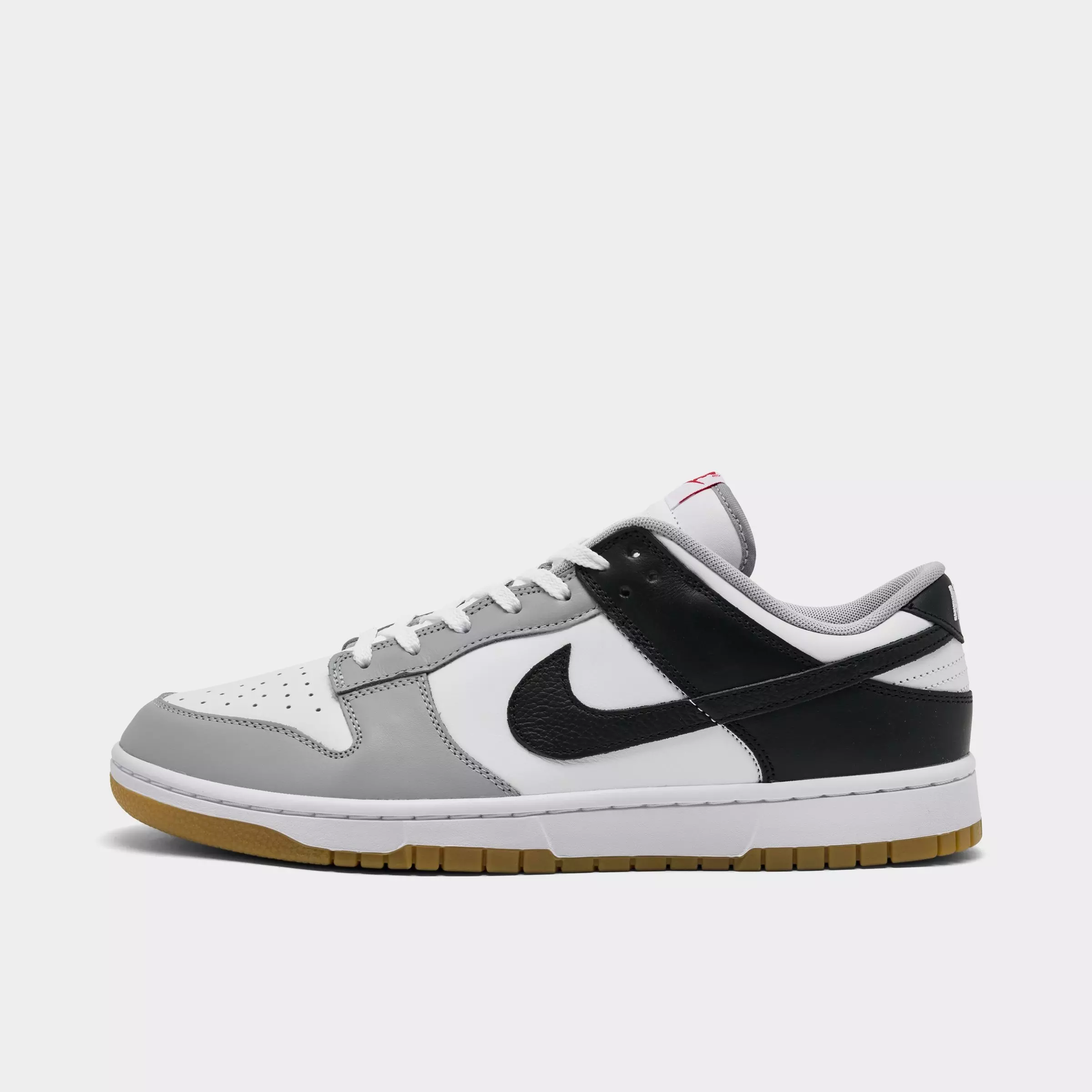
- Standard Classic Basketball Sneakers from the 1980s remain incredibly popular in men's sneaker collections. High-top and low-top leather court shoes with bold color blocking are a staple in men's fashion. They typically offer a slightly wider, more comfortable fit and look even better as they develop a naturally worn-in feel over time.
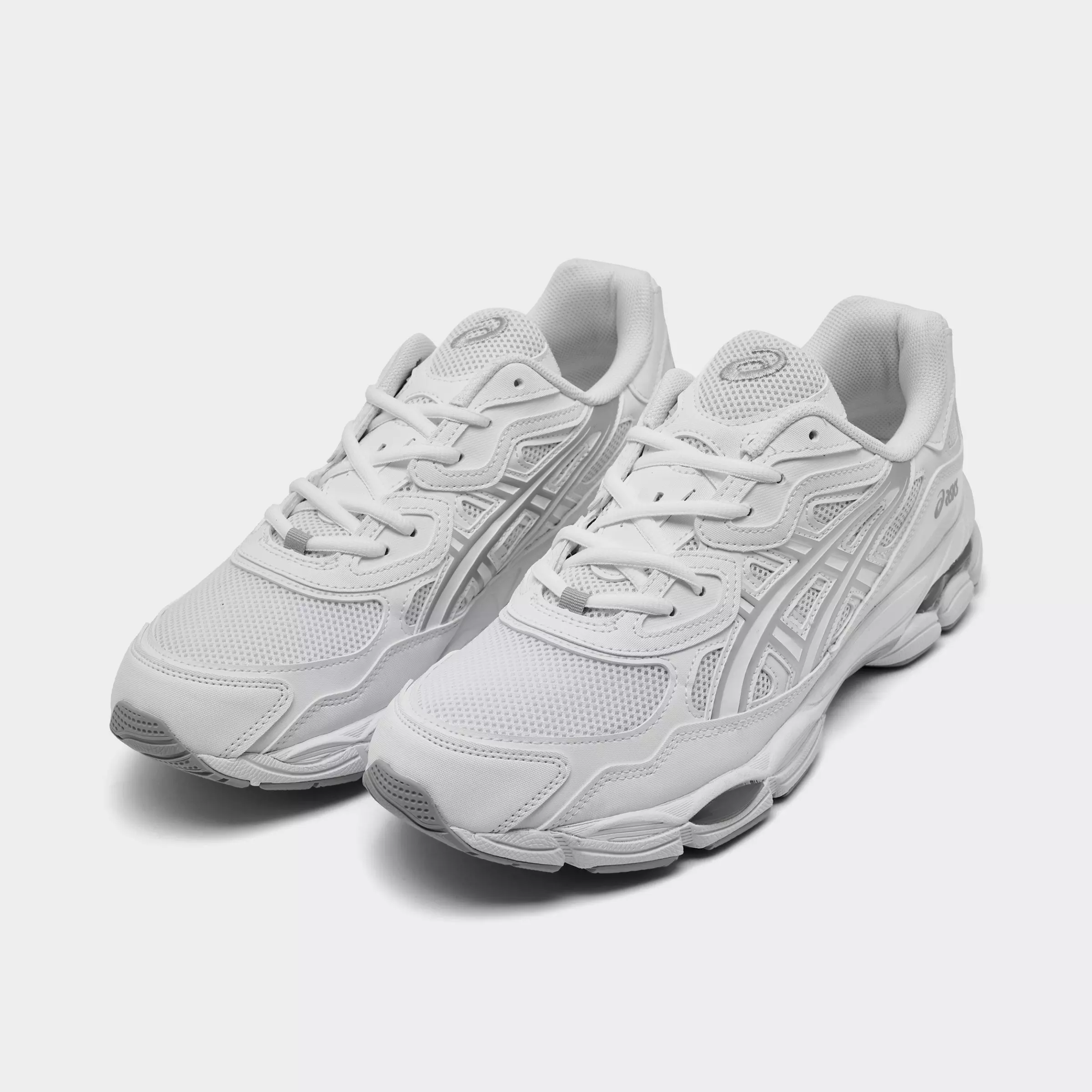
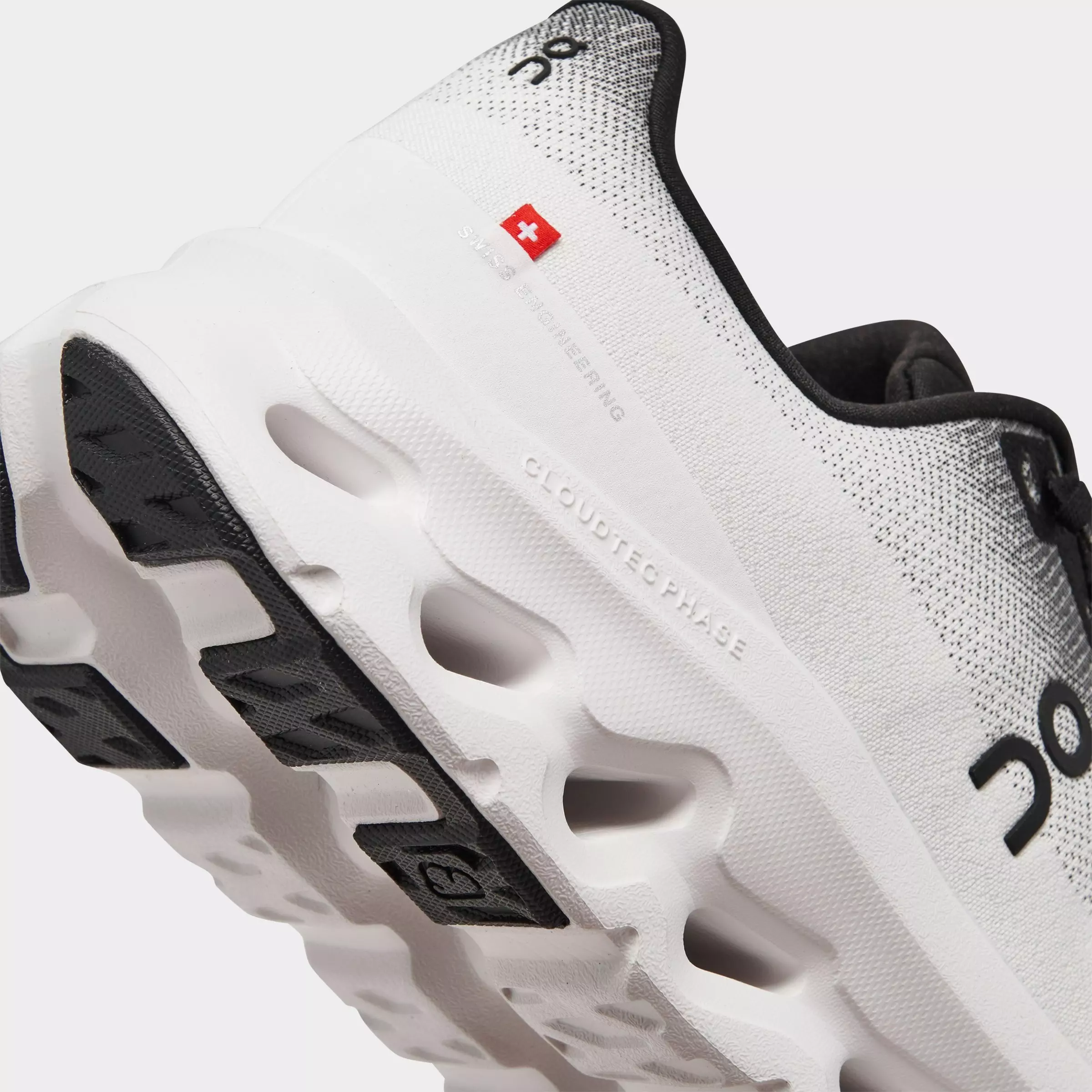
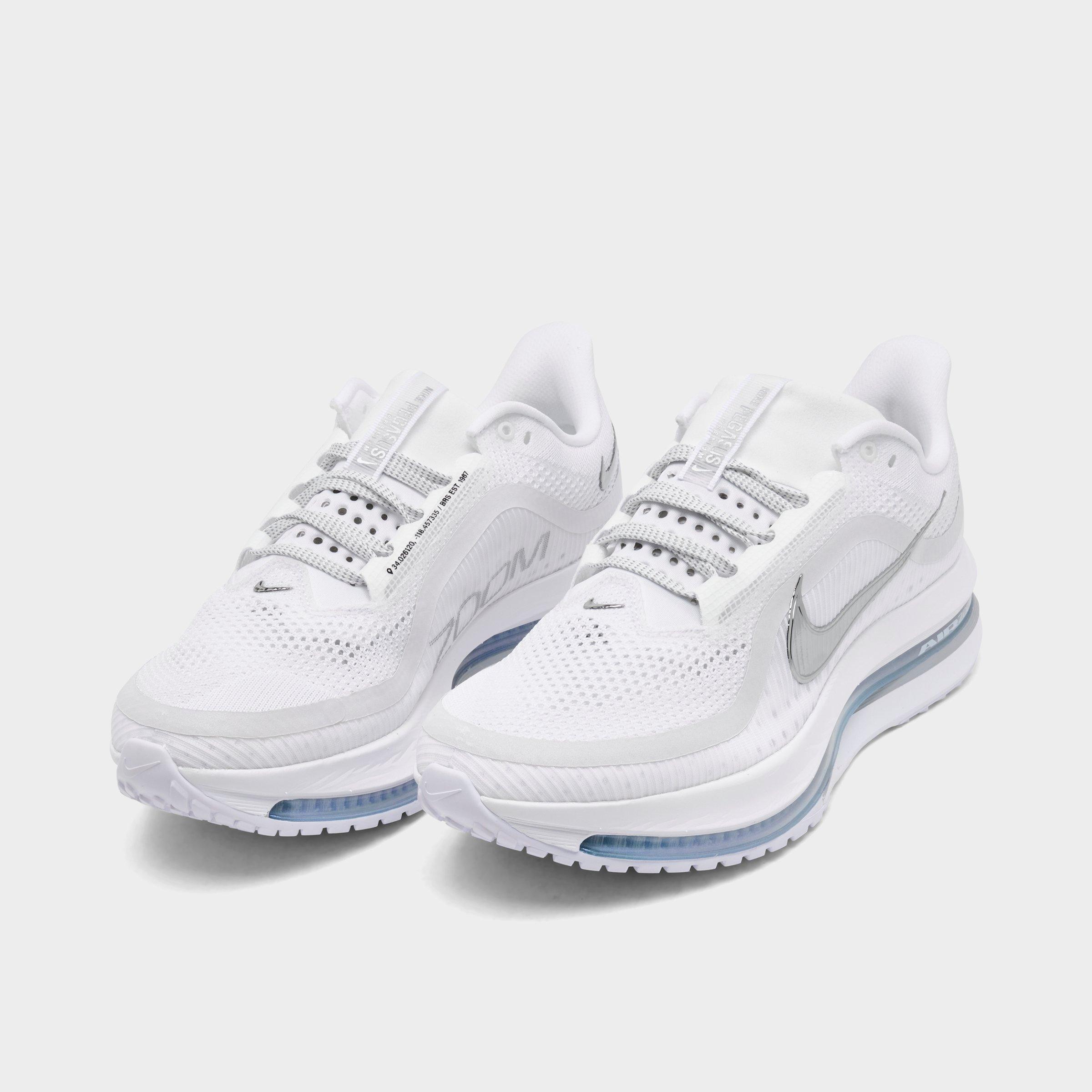
- The Return of Retro Runners Retro-inspired men’s shoes, especially cushioned running styles from the 1990s and early 2000s, are leading street style. With thick soles, mesh panels, and metallic overlays, they pair as easily with relaxed jeans as with tailored trousers. Their appeal is simple: comfort, versatility, and a sporty vintage look.
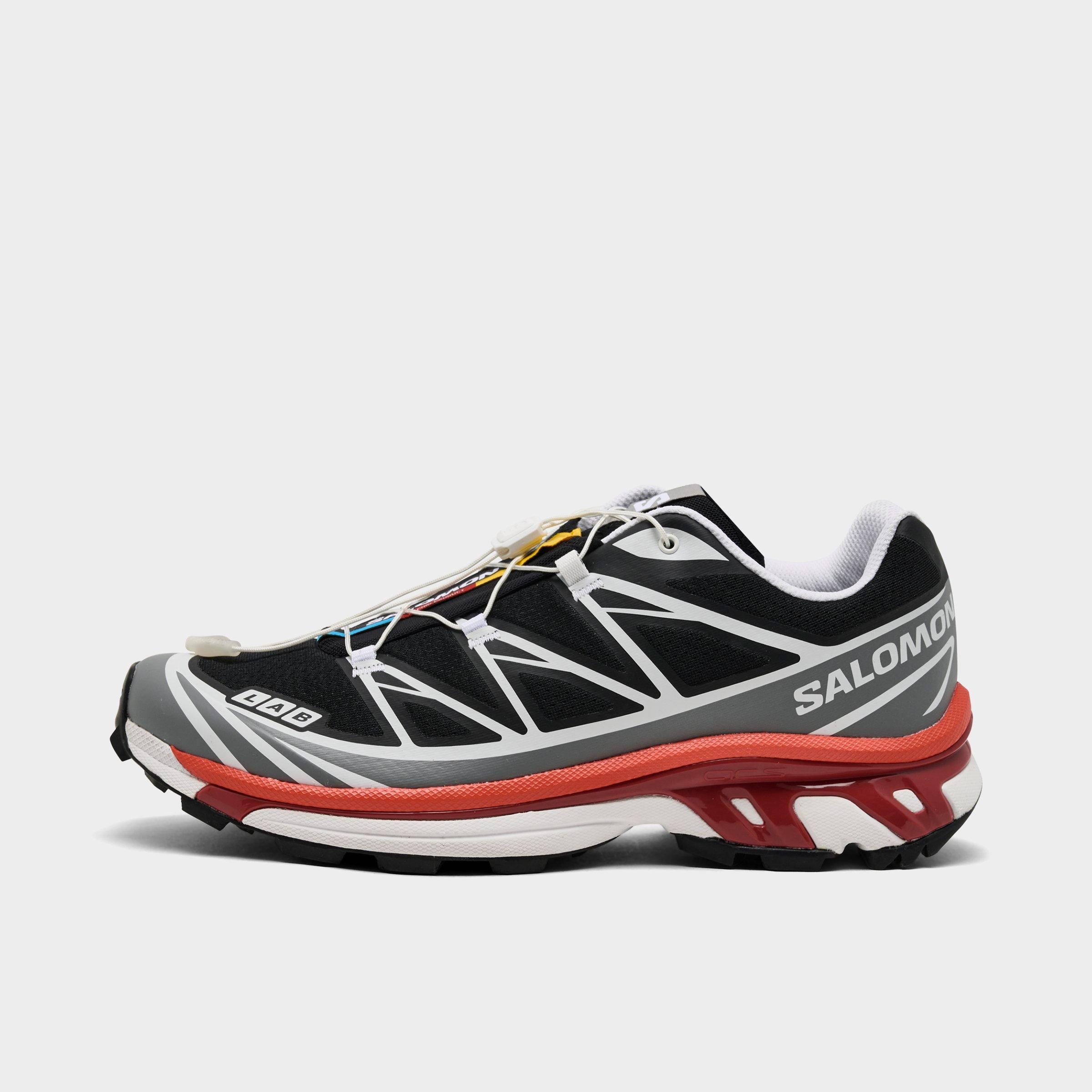
- Gorpcore and Trail Shoes Outdoor-inspired footwear, often called "gorpcore," is a major trend in men's shoes. These styles often feature rugged tread, waterproof materials like Gore-Tex, and quick-lace systems, making them a durable, weather-resistant choice for everyday casual wear.
Finding the Best Sneakers for Your Lifestyle
The best men’s sneakers depend on your daily routine and work. A pair for long hospital shifts will differ from one for a business-casual office or a job that keeps you on your feet all day.
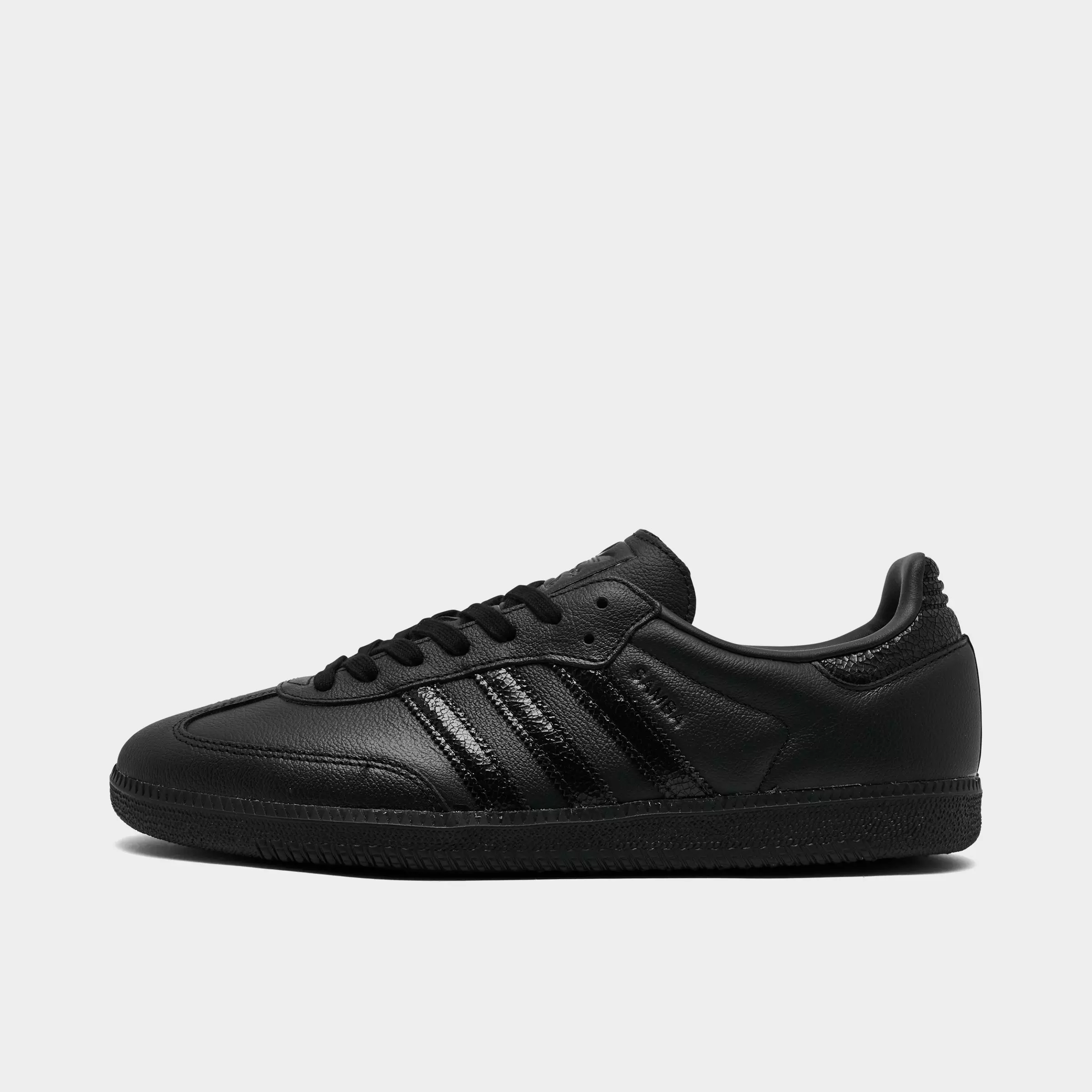
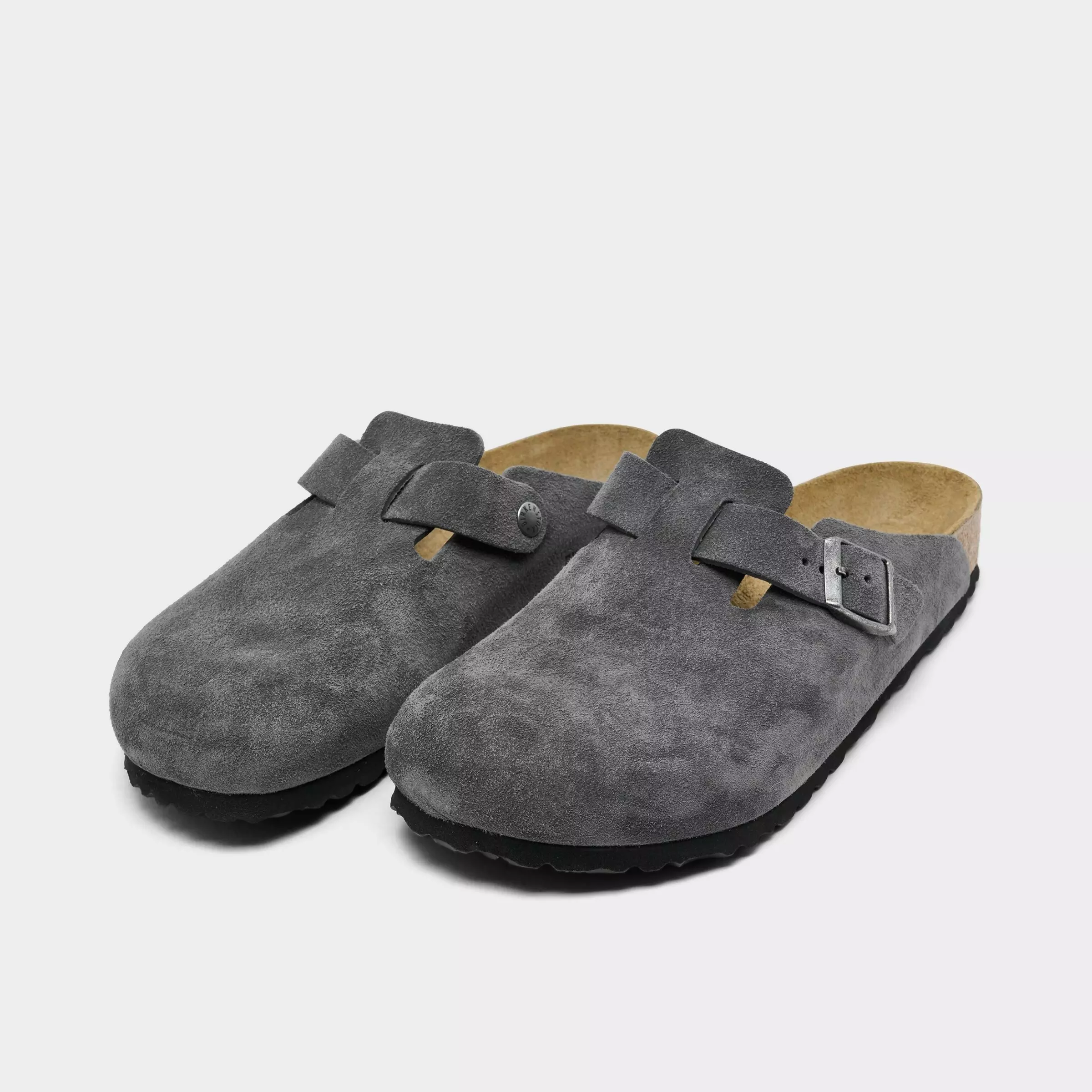
- For the Office Professional If you want to wear sneakers to the office, you need to follow the rules of smart-casual footwear. The best shoes for this environment are premium leather or suede low-tops in solid colors. Stick to white, black, navy, or grey. Avoid thick athletic soles, neon colors, and large logos. The goal is for the sneaker to mimic the sleek profile of a dress shoe while providing the comfort of athletic wear.
- For the Active Commuter If you walk long distances to work, spend hours standing, and spend time training at the gym, your priority must be ergonomics. Look for men's shoes that feature thick foam midsoles and proper arch support. Breathable knit uppers are excellent for commuters because they allow airflow and stretch to accommodate foot swelling that naturally occurs late in the afternoon.
Expert Tips for Proper Sizing and Fit
Even the most stylish pair of shoes will sit in your closet gathering dust if they hurt your feet. Getting the right fit is the most important part of buying footwear.
- Measure your feet at the end of the day. Your feet naturally swell and expand after hours of standing and walking. If you buy shoes first thing in the morning, they might feel uncomfortably tight by dinner time.
- Do not ignore shoe width. Many guys simply buy a larger size when a shoe feels too tight on the sides. This leaves clumsy, empty space at the toe, causing you to trip and the shoe to crease badly. If a shoe pinches the sides of your feet, ask if the brand makes a "wide" or "E" width version.
- Check the space at the front. You should have about half an inch of space (roughly the width of your thumb) between your longest toe and the end of the shoe. Your heel should feel locked in place, slipping no more than a quarter-inch when you walk.